New Jersey weather is rough on siding. Sun, wind, rain, and snow wear it down one season at a time, and the damage almost always starts small and quiet. A hairline crack or a loose panel looks harmless at first. Leave it alone, though, and water slips in behind the walls. That is when the real trouble begins.
Catching siding damage early protects your home from rot, mold, and much bigger repair bills down the road. And you do not need to be a contractor to spot the warning signs. A quick walk around the house twice a year tells you most of what you need to know. This guide covers what siding damage looks like, why it spreads, where to check first, and when it is time to bring in a pro.
What Siding Damage Actually Looks Like
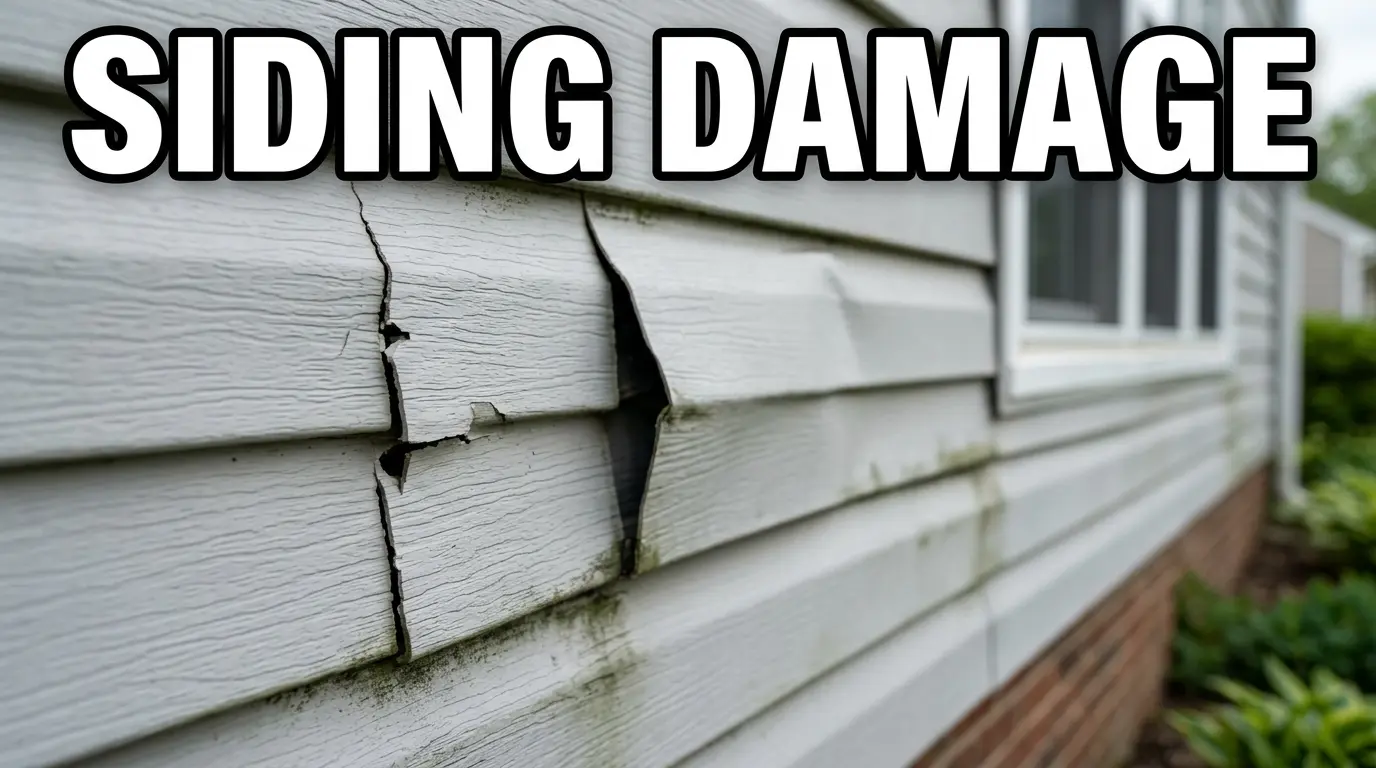
Siding trouble tends to show up in a handful of familiar ways. Cracks, splits, and chips in the panels are the most obvious. Warping or bulging, where a panel no longer sits flat against the wall, is another red flag. Fading and chalky residue mean the surface itself is breaking down, and panels that feel loose or rattle in the wind deserve attention, especially after a storm.
Soft spots, holes, and pest damage point to deeper problems. You may even notice peeling paint or wallpaper inside the house, which usually means moisture is already finding its way through. None of these issues improve on their own. The earlier you catch them, the smaller and cheaper the fix.
 Early Detection
Twice a Year
A 10 Minute Walk-Around Catches Most Damage
Early Detection
Twice a Year
A 10 Minute Walk-Around Catches Most Damage
Why Small Siding Problems Spread Fast
Your siding is the first layer of weather protection your home has. Once that layer cracks or comes loose, water finds the gap. New Jersey freeze-thaw cycles make it worse: water seeps in, freezes, expands, and pries the opening wider. Over a few seasons, a small crack becomes a soaked wall.
Trapped moisture leads to rotted sheathing, mold, and ruined insulation, and it can reach the framing and drywall inside the house. What started as a cheap panel swap turns into a major repair. That is why acting early matters so much. Stopping water at the surface is always cheaper than chasing it through the walls.
Spots to Check on Your New Jersey Home
Some areas fail before others, so start your inspection there. A flashlight and ten minutes are usually all it takes:
When to Repair and When to Call a Pro
A single cracked panel is often a simple repair. If the damage is limited and the wall behind it is dry, a clean patch or panel swap does the job. But some signs mean it is time to call a contractor: widespread cracking, warping across many panels, soft spots, mildew that keeps coming back, or any hint of water behind the walls.
A pro can pull a panel, check the sheathing underneath, and tell you whether a siding repair or a full replacement makes sense for your home. At JRB Siding LLC, siding inspections and estimates are free, so there is no risk in getting a second opinion.
Get Your Siding Checked in New Jersey
Worried about a cracked or loose panel? Get a free siding inspection and a clear written estimate, with no pressure and no obligation.
Frequently Asked Questions
Twice a year is a good rule, usually spring and fall. Also do a quick walk-around after any major New Jersey storm, since wind and hail can cause sudden damage.
Small, isolated fixes are doable for a handy homeowner. But if the wall behind the panel is wet or the damage is spread out, it is smarter to call a pro before water does more harm.
It can. Gaps and moisture ruin insulation and let air leak in and out, which makes your heating and cooling work harder and shows up on the bill.
It depends on the weather, but New Jersey freeze-thaw cycles speed things up. A small crack can soak a wall over a single wet season if you ignore it.
Yes. JRB Siding LLC gives free, no-pressure inspections and written estimates, and we will tell you straight whether you need a repair or a replacement.